

Key takeaways
- For most households, LED Christmas lights are the better pick because they use far less electricity, run cooler.
For most households, LED Christmas lights are the better pick because they use far less electricity, run cooler, last longer and let you connect more strands, while incandescent lights win mainly for a warm, traditional glow and a lower upfront cost. Which one is right depends on how many strands you run, where you hang them and how much the look matters to you.
This guide is for anyone deciding between the two types before decorating in 2026, whether you are lighting an indoor tree, a porch railing or a full house. It explains how each type works, how they compare on cost, safety and appearance, and what to check before you buy.
How Each Type Works
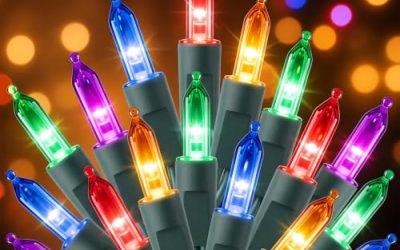
Incandescent lights use a thin filament inside a small glass bulb. Electricity heats the filament until it glows, which produces the soft, yellowish light many people associate with classic holiday decorating. Because heat is part of how they work, much of the energy turns into warmth instead of light.
LED lights use a semiconductor chip that produces light when current passes through it. They generate very little heat, and the bulb is typically made of durable plastic. Early LEDs had a harsh, bluish look, but modern strands come in warm white, cool white and many colors, with options that closely imitate the old glow.
Comparing the Two in Key Areas
Energy Use and Running Cost
LEDs use a small fraction of the electricity of incandescent strands. For a single small tree the difference is modest, but for large displays, outdoor setups and lights left on for hours every night, the savings add up across the season. This also means you can connect more LED strands end to end on one outlet, within the limit printed on the packaging.
Heat and Safety
Incandescent bulbs get warm and can dry out a live tree or scorch nearby decorations over time. LEDs stay much cooler to the touch, which is a real advantage around trees, garlands and wreaths. Whichever type you choose, follow the maker’s instructions, inspect cords for damage, avoid overloading outlets and turn lights off when you leave home or go to sleep.
Durability and Lifespan
LED bulbs are plastic and resist breakage, and their lifespan is generally much longer than incandescent bulbs. Incandescent bulbs are glass, can burn out or break, and in many older strands one dead bulb can darken a whole section. Many newer incandescent sets include replacement bulbs, but you may still spend time troubleshooting.
Look, Color and Brightness
Incandescent light has a rich, slightly uneven glow that suits vintage trees and nostalgic displays. LEDs tend to be crisper and more uniform, with vivid colors and many special effects, such as twinkling, color changing and remote controls. If you want warmth, look for warm white labeling and compare strands side by side if possible.
Side-by-Side Overview
| Feature | LED | Incandescent |
|---|---|---|
| Energy use | Low | High |
| Heat produced | Very little | Noticeable |
| Upfront cost | Usually higher | Usually lower |
| Lifespan | Long | Shorter |
| Durability | Resists breakage | Glass bulbs can break |
| Strands per outlet | Many | Fewer |
| Light feel | Crisp, many colors and effects | Soft, classic warm glow |
Which Is Better for Your Situation
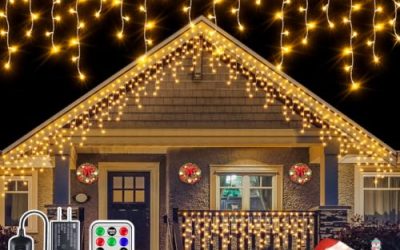
For big outdoor displays and rooflines, LEDs make sense because the energy savings, the ability to link more strands and the lower heat all matter at scale. For live trees, LEDs are also a safer option because they stay cooler and reduce the chance of drying out needles.
For a small indoor tree or a vintage-style display where the warm glow is the point, incandescent can still be a charming choice. Some people mix the two, using LEDs for large outdoor areas and incandescent strands for a mantel or small tree, as long as they follow each set’s connection limit.
What to Check Before Buying
- Look for a safety listing mark from a recognized testing lab on the packaging
- Confirm whether the set is rated for indoor use, outdoor use or both
- Check the maximum number of strands that can be connected end to end
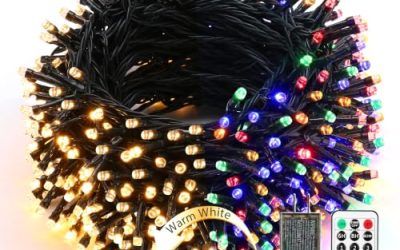
- Choose warm white if you want a classic look, and read descriptions of color temperature
- Look at the wire color, since green wire blends with a tree and white blends with a roofline
- Check bulb spacing and strand length against the size of your tree or area
Common Mistakes
Many buyers assume all LEDs look cold, so they never try them. Modern warm white sets can be very close to the traditional glow, so compare before ruling them out. Another mistake is mixing sets from different makers on the same string run without checking the limits, which can overload the circuit.
People also overlook storage. Wrap strands around a piece of cardboard or a reel, keep them in a dry box and label them by location. Tangled or damaged cords are a leading reason for lights failing the next year, regardless of type.
Indoor, Outdoor and Tree Considerations
Lighting a Tree
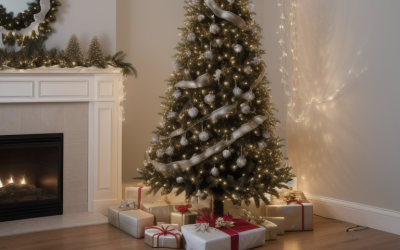
For live trees, cooler operation is a real advantage, and LEDs also let you use more strands for a fuller look without overloading an outlet. For artificial trees, either type works, and many come prelit with one or the other. Wrap lights from the inside out for depth and test each strand before you hang it.
Lighting the Outside of the House
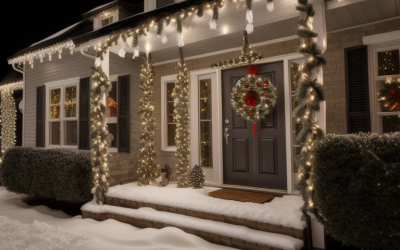
Outdoor sets need a rating for outdoor use and sturdy, weather-resistant connections. LEDs are common here because of their lower energy use and longer runs. Use outdoor-rated extension cords, keep connections off the ground and away from standing water, and consider a timer so lights turn on and off automatically.
Windows, Mantels and Small Displays
For small spaces, a warm, soft glow can be more important than efficiency. Incandescent mini lights or warm white LEDs both look good in garlands, wreaths and window frames. Choose short strands, check the length and be careful not to place lights where they can touch curtains or paper decorations.
Cost Over a Few Seasons
Because LED sets usually cost more at the register, many buyers hesitate. Think about the full picture, though. Lower electricity use, fewer replacements and less time spent hunting for burned-out bulbs all add up over several seasons. If you are decorating on a tight budget, buy LEDs gradually, starting with the sets you run the longest, such as the tree or the porch.
Incandescent lights can still make sense if you only need a small set, you plan to use it a handful of times or you are matching existing strands. Just allow for a shorter lifespan and be prepared to replace bulbs or whole strands more often.
Storage and Maintenance Tips
Whichever type you pick, how you pack the lights away decides whether they work next year. Unplug and let strands cool before handling, then wind them loosely around a flat piece of cardboard or a spool, tucking the plug end in last. Avoid tight knots and sharp bends, which can break the thin wires inside the cord.
Before hanging, plug in each strand on the floor and look for dark sections, flickering or cracked sockets. Replace what is faulty now, not when you are standing on a ladder. Keep a small box with spare bulbs, fuses and a few clips so any repair takes only a minute during the season.
Related guides
- How To Hang Streamers And Backdrops Without Damaging Walls
- How To Fix A Christmas Light Strand That Is Half Out
- How To Wash A Light Up Ugly Christmas Sweater
Frequently Asked Questions
Are LED Christmas lights worth the extra upfront cost?
For most people, yes, especially if you run lights for long hours or plan to reuse them for many seasons. Lower energy use and a longer lifespan tend to offset the higher purchase over time.
Can I mix LED and incandescent strands?
You can use them in the same room, but do not connect different types end to end unless the packaging says it is allowed. Plug each into its own outlet or follow the connection limits.
Do LED lights work in cold weather?
Many outdoor-rated LED sets are designed for cold conditions, and they typically handle low temperatures well. Check that the set is rated for outdoor use and follow the instructions.
Are LEDs safer for a real tree?
They run cooler, which lowers the risk of drying needles or heating nearby decorations. Still, keep the tree watered, turn lights off when you leave and inspect cords for damage.
More from Amazon
Programs that pair well with the guide above. Offers and eligibility are set by Amazon and may change.
Send a Prime gift membership to someone who would use free shipping and Prime Video.
Gift Amazon PrimeGive audiobooks to someone who loves to listen. Plans and prices are set by Amazon.
Gift AudibleFree shipping on eligible items, Prime Video and more. Eligible new members can start with a free trial.
Start a Prime free trialAudiobooks and podcasts to listen to on the go. Eligible new members can start with a free trial.
Try Audible freeAs an Amazon Associate we earn from qualifying purchases.

Write Your Review
No reviews yet. Be the first to share your experience!