
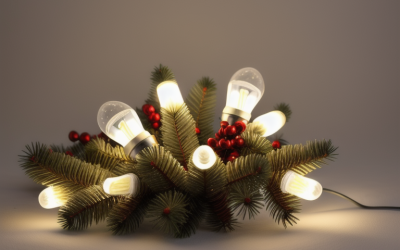
LED vs Incandescent Christmas Lights Explained
For most households, LED Christmas lights are the better pick because they use far less electricity, run cooler.
Tacky World is reader-supported. When you buy through links on our site, we may earn a commission at no extra cost to you. As an Amazon Associate, we earn from qualifying purchases. Learn more ›
For most households, LED Christmas lights are the better pick because they use far less electricity, run cooler.
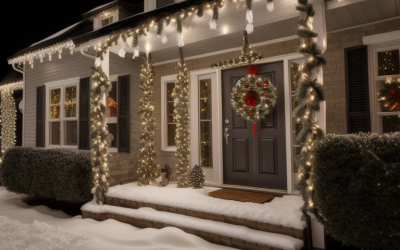
To hang Christmas lights on a house without damage, use outdoor-rated lights and clips designed for your specific surface, such as gutters, shingles.
When half a strand of Christmas lights goes dark, the cause is usually a single loose, missing, or burned-out bulb, or a blown fuse in the plug.
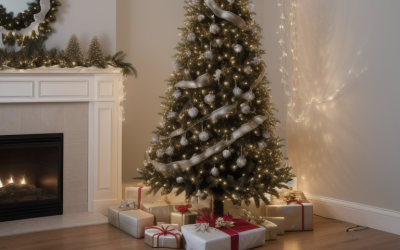
A dependable rule of thumb is about 100 mini lights for every foot of tree height for a classic look, and 150 or more per foot for a dense, glowing effect.
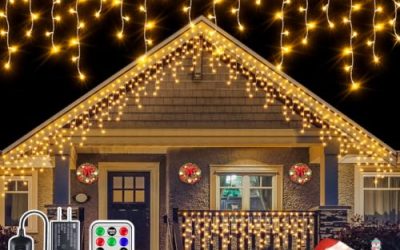
Hanging icicle lights along a roofline is a different job from draping a tree. The strand has to run the full length of the eave.
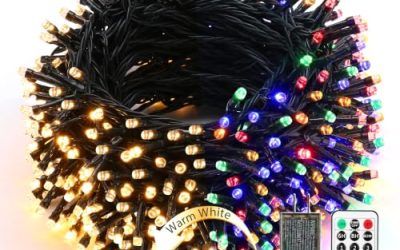
Color changing Christmas lights solve a very specific holiday argument: one household wants classic warm white, another wants a rainbow.
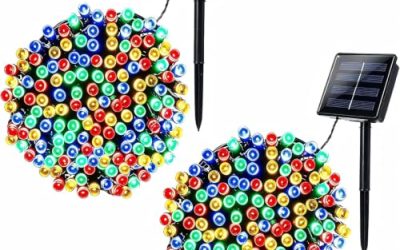
Solar Christmas lights solve the oldest outdoor decorating annoyance: the extension cord that never quite reaches the far fence post.
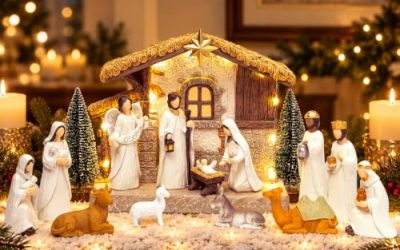
Shopping for a nativity set that lights up means choosing a centerpiece, not just a decoration.
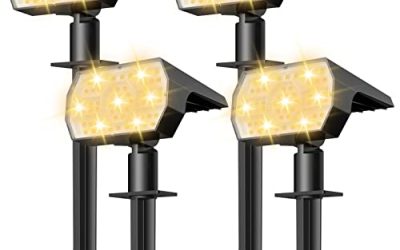
Lighting a tree with solar power sounds simple until you stand in the yard and realize the tree is the problem.
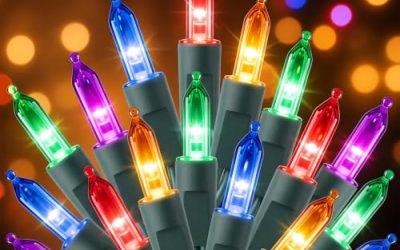
Christmas lights look similar on the shelf and behave very differently once they are strung on a tree or a gutter.