

Key takeaways
- Few gifts turn a table into a field site as quickly as a block of plaster with something hidden inside.
Few gifts turn a table into a field site as quickly as a block of plaster with something hidden inside. Archaeology kits for kids share a simple formula: chip, brush, and reveal. But a quick look at the category shows that the “something hidden” varies enormously, from molded dinosaur figures to real shark teeth, shells, gemstones, replica coins, and collectible mummies. The keyword really asks which kind of discovery will keep a particular child curious past the first hour.
This 2026 guide compares seven kits using only what their titles say: what is inside the block, how many items there are, which tools come along, and any age wording. Dig kits involve small parts, dust, and tools such as chisels, so adults should supervise, follow the age guidance on the listing, and set up on a protected surface. Eye protection is a sensible habit whenever a hammer and chisel are involved.
Quick Picks
Our top picks



As an Amazon Associate we earn from qualifying purchases at no extra cost to you.
| Product | Best for | Key spec from the title |
|---|---|---|
| National Geographic Dinosaur Dig | Party activities and dino fans | 12 dino eggs, 12 dino-shaped bricks, figures inside |
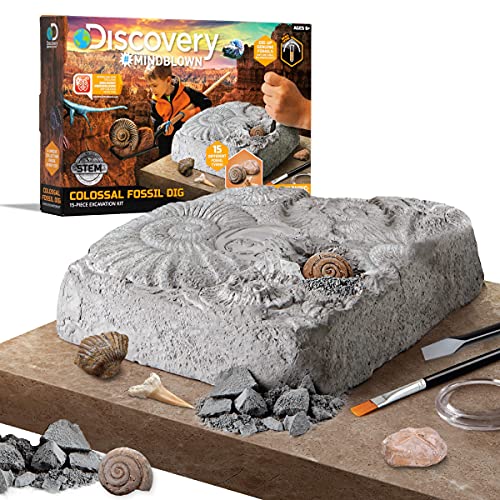
| Discovery Colossal Fossil Dig | One big excavation | 15-piece set, real shark teeth |
| Gamerside Fossil Digging Kit | Learning with real specimens | 12 real fossils, mess-free mat, learning guide |
| GobiDex Gemstones Dig Kit | Space and geology fans | 15 gemstones, ages 6+ |
| PIBEX Pirate Treasure | Adventure and role play | 16+ ancient metal coins, skull charms |
| Egyptian Mummy Dig Kit | Collectors | 6 styles, ages 8-12 |
| PIBEX Ocean Fossil | Beach and sea life fans | 20+ real shells and seasnails |
How to Choose
What is hidden inside
The treasure matters more than the tools. Dinosaur figures suit younger children who want to play with the prize after the dig. Real fossils and shells suit kids who like to examine and sort, and gemstones feel like a rock collection starter. Replica coins and mummies lean into storytelling and collecting. Ask what the child does after the dig: if the answer is play, pick figures; if it is display, pick specimens.
Number of items and block size
Kits range from a few large blocks to a dozen or more small ones. A dozen eggs or bricks, as in the National Geographic set, stretch across several sessions or a party, while one colossal block gives a single long project. Bigger counts help siblings share, and a single block can feel more dramatic. Check the listing for block size and the time each dig typically needs.
Tools, mess, and workspace
Dig kits create dust and plaster crumbs, so a tray, an old towel, or a mess-free mat helps. The Gamerside title lists a mess-free mat, which is a practical extra. Look for a brush, a small chisel, and a magnifier, and consider adult help with the hardest blocks. Kits that include blunt, kid-sized tools tend to be easier for younger children. Use a table that can be wiped, not a favorite desk, and wash hands afterward.
Age, small parts, and where budget kits cut corners
Age wording differs: the GobiDex lists ages 6+ and the Egyptian mummy kit lists 8-12. Titles that give no age wording require checking the listing. Small parts such as coins, teeth, and charms are not for very young children. Budget kits tend to cut corners on block hardness and tool quality, so a block that is too hard frustrates kids, and flimsy tools break. Ignore broad educational claims and focus on what is in the box.
A little setup turns any of these kits into a better afternoon. Lay down newspaper or a plastic tablecloth, set out a bowl of water for rinsing small finds, and give the child a shallow tray to hold discoveries as they appear. A magnifier, a notebook, and a pencil make it feel like real fieldwork, and drawing each find with a label is a gentle way to practice observation. Brushing away dust gently, rather than prying hard with a chisel, protects the prize from cracks.
Think about the child, too. An eight-year-old who wants to spend an hour on one block may love a colossal kit, while a five-year-old with a short attention span usually does better with several small bricks. Siblings sharing a table benefit from multiple blocks so nobody waits. Gift buyers should look for a theme tied to a current obsession, whether dinosaurs, pirates, space, or the ocean, because enthusiasm is the best predictor of whether the dig gets finished.
What to ignore: sweeping claims about educational outcomes. A kit is a pleasant activity with a small amount of science attached, and the best measure of value is whether the child keeps digging. Look at the number of items, the tools, and the age wording, and leave the rest to the child.
The 7 Best Options
National Geographic Dinosaur Dig
This dig kit includes 12 dino-shaped bricks, each hiding a dinosaur figure, plus excavation tools and activity-ready packaging for parties. It is built for kids who love dinosaurs and for a group setting where each child can open a brick. The brand name is well known, which can reassure gift buyers, and the dinosaur figures that emerge from the plaster are the kind of prize that makes it into a toy box afterward. At a birthday table, a brick per guest keeps everyone busy for a good stretch.
- Strength: 12 bricks make it easy to share across guests or sessions.
- Strength: Dinosaur figures inside give play value after the dig.
- Trade-off: Figures are not real fossils, so it is play-focused.
Who should skip it: children who want authentic specimens.
Discovery Colossal Fossil Dig
The Discovery set is a 15-piece archeology excavation kit that promises real shark teeth and more, framed as a STEM toy. It suits a child who wants one substantial project instead of many small ones. Because the main block is large, it works best across more than one sitting, with the block wrapped in a towel between sessions. A child who enjoys sharks and ocean life will likely see the teeth as the highlight, and the other pieces in the set make the dig feel like a complete expedition.
- Strength: Real shark teeth are named in the title.
- Strength: A 15-piece set includes tools and a large block.
- Trade-off: Large blocks take longer, so patience is needed.
Who should skip it: kids who want quick wins in minutes.
Gamerside Fossil Digging Kit
This kit includes 12 real fossils and dino bones, a mess-free mat, a learning guide with fossil facts, and excavation tools. It is the most education-oriented option, with a paleontology theme. The learning guide gives a parent something to read aloud as each specimen appears, which suits curious kids who ask what everything is. Because specimens are real, handling should be gentle, and a small tray or box is useful for keeping the finds together after the dig.
- Strength: Real fossils and a learning guide are listed.
- Strength: A mess-free mat helps with cleanup.
- Trade-off: Real specimens can be small and delicate to handle.
Who should skip it: very young children who prefer toy figures.
GobiDex Gemstones Dig Kit
The GobiDex kit lists 15 gemstones in a space-themed planet collection for kids ages 6+, framed as a STEM educational toy and an archaeology and geology project. It suits children who like rocks, minerals, and space, and the planet theme links the dig to a bigger idea about the solar system. After the dig, the gemstones can be sorted by color or shape, which turns a short activity into a small collection that a child can keep on a shelf.
- Strength: 15 gemstones offer variety.
- Strength: Age 6+ is stated in the title.
- Trade-off: The space theme means it is less about ancient history.
Who should skip it: kids who want dinosaurs.
PIBEX Pirate Treasure
This pirate kit has 16 or more ancient metal coins and skull charms, replica coins with stands, fool’s gold, and a necklace-making activity. It is aimed at adventure-loving kids who like a story. The coin stands and necklace activity give the finds a second purpose, so the project does not end when the last coin is out of the block. Parents should keep small metal pieces away from younger children and check the age wording on the listing.
- Strength: Pirate theme encourages imaginative play.
- Strength: Coins, stands, and a necklace activity extend the fun.
- Trade-off: Small metal pieces require adult supervision.
Who should skip it: families with very young siblings nearby.
Egyptian Mummy Dig Kit
This archaeology kit has six styles of collectible Egyptian mummies to dig up, and it is labeled for ages 8 to 12. It suits collectors who like to build a set, and the idea of finding a mummy appeals to kids who love Egypt, museums, and adventure movies. Since the styles may vary from block to block, a child who wants all six may need more than one kit, which is worth keeping in mind before promising a full collection.
- Strength: Six collectible styles encourage repeat play.
- Strength: Age range of 8 to 12 is stated.
- Trade-off: The mix of styles may be random, so check the listing.
Who should skip it: kids who want real specimens.
PIBEX Ocean Fossil
The PIBEX ocean kit includes more than 20 real shells and seasnails, a jumbo coral reef brick, and a marine biology theme. It is a good fit for kids who love the beach and sea life. A coral reef brick that is large gives the dig a clear centerpiece, and the shells can be sorted, compared, and displayed afterward. Rinse hands after handling, and keep sharp or small pieces away from little ones.
- Strength: Real shells and seasnails offer a close look at sea life.
- Strength: Jumbo brick gives a big dig.
- Trade-off: Shells can be sharp or small, so handle with care.
Who should skip it: families who prefer dinosaur themes.
Which One Fits Your Situation
You are hosting a party
The National Geographic Dinosaur Dig has 12 bricks, enough for a group.
You want real specimens
The Gamerside Fossil Digging Kit lists 12 real fossils and a learning guide.
Your child likes rocks and space
The GobiDex Gemstones Dig Kit lists 15 gemstones and ages 6+.
You want a collecting hobby
The Egyptian Mummy Dig Kit offers six styles to collect.
Common Mistakes
- Digging without a protected surface.
- Skipping eye protection or adult supervision with chisels.
- Ignoring age wording and small-part warnings.
- Buying a theme the child does not care about.
- Rushing the dig, which can crack the prize.
Related guides
- White Elephant Gift Exchange Rules Explained
- Funny Ugly Christmas Sweaters For Women
- How To Host A Tacky Christmas Sweater Party
Frequently Asked Questions
How long does a dig take?
It depends on block size and the child. Small bricks can take minutes, while large blocks can take an hour or more.
Are the fossils and shells real?
Only where the title says so, such as the Gamerside and PIBEX ocean kits. Others use figures or replicas.
Can these be done indoors?
Yes, with a tray, mat, or towel to catch dust. Adults should supervise tool use.
Which kit suits a younger child?
Check the age wording on the listing. Dinosaur figures in bricks are often easier, with an adult nearby.
More from Amazon
Programs that pair well with the guide above. Offers and eligibility are set by Amazon and may change.
Free shipping on eligible items, Prime Video and more. Eligible new members can start with a free trial.
Start a Prime free trialAudiobooks and podcasts to listen to on the go. Eligible new members can start with a free trial.
Try Audible freeAd-free music streaming. Eligible new subscribers can start with a free trial.
Try Music Unlimited freeA free business account with business pricing and bulk-buying tools for work, shop or home office.
Create a business accountAs an Amazon Associate we earn from qualifying purchases.




Write Your Review
No reviews yet. Be the first to share your experience!