

Key takeaways
- Use a cube lubricant made for puzzles if the maker recommends it, and follow the maker’s instructions for the amount. Household oils can damage plastic or make the cube sticky.
- Do not overtighten the tension screws; loosen if the cube locks up.
- Small pieces can detach if a cube is forced apart. Keep very young children supervised and read any age marking on the packaging.
- Store away from direct heat and sunlight, which can warp plastic and fade stickers.
- Keep spare stickers or a replacement set if you own a sticker cube and play a lot.
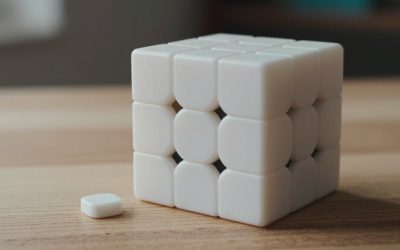
The best Rubik’s cube for most people is a magnetic 3×3 from the speedcubing brands, with the MoYu RS3 M V5 suiting first-time and budget buyers, the GAN 356 suiting almost everyone in the middle, and the GAN V100 or MoYu WeiLong line suiting people who time their solves. The classic Rubik’s-brand cube is still a fine nostalgic gift or shelf piece, but reviewers who focus on solving feel place the specialist brands ahead. This guide explains the differences, what the makers state about their designs, and how to match a cube to a person.
Our top picks


As an Amazon Associate we earn from qualifying purchases at no extra cost to you.
Rubik’s Cube Picks at a Glance
| Cube | Tier | Best for | Key stated features | Limits |
|---|---|---|---|---|
| Official Rubik’s Speed Cube | Budget to mid-range | Gifts, nostalgia, casual play | Brand-name 3×3 with a speed-oriented mechanism | Reviewers say it trails Chinese and GAN cubes in feel and mechanism |
| YuXin Little Magic | Budget | Young children, very first cube | Magnetic, durable, gentle feel per SpeedCubeShop | Not a competition cube |
| MoYu RS3 M V5 | Budget | Beginners and parents buying once | Magnetic, adjustable tension and magnet strength per SpeedCubeShop | Less refined than flagships |
| GAN 356 3×3 | Mid-range | Most solvers | Magnetic, light, fast, adjustable | Not the newest GAN design |
| MoYu WeiLong WR M | Mid-range to premium | Intermediate to advanced solvers | Magnetic, MagLev, adjustable magnet strength and core settings | Tuning takes some learning |
| GAN V100 3×3 | Premium | Competition and faster times | Magnetic, MagLev, core magnets, adjustable tension and magnet strength | Overkill for new solvers |
| GAN 17 MagDrive | Premium flagship | Tinkerers wanting current technology | The maker-described 196-magnet MagDrive system, MagLev, ball core, swappable magnet rods, per SpeedCubeShop | Highest cost tier |
The Classic Rubik’s Cube Versus Speed Cubes
The original Rubik’s cube is the one most people picture: a 3×3 puzzle with six colored faces. Rubik’s still sells a “Speed Cube” version, and The Joker House, a cubing retailer’s buying guide, says recent Rubik’s Speed Cube versions have improved a lot but still sit below the Chinese brands in mechanism and feel. Cubicschool goes further for beginners, describing standard Rubik’s-brand cubes as stiff and slow, with no magnets and weaker corner cutting. Those are reviewers’ opinions rather than measurements, but the pattern is consistent across the roundups.
That does not make the classic cube a poor purchase. If the goal is a gift for someone who wants the recognizable branded puzzle, or a cube to sit on a desk and be scrambled occasionally, the official cube serves. The picture changes when the person wants to learn a method, practice daily, or lower their solve times. A cube that turns smoothly, stays aligned and does not pop apart makes learning less frustrating, and that is where the speedcubing brands come in.
What Makes a Cube Better: The Features That Matter
Magnets
SpeedCubeShop states that magnets are the upgrade worth paying for on a 3×3. Small magnets inside the pieces help layers snap into alignment and give a gentle click, which reduces accidental half-turns. Nearly every cube in the recommended lists above is magnetic. A non-magnetic cube is cheaper, but beginners often find it harder to keep layers straight.
Adjustable tension and magnet strength
Mid-range and premium cubes let you tighten or loosen the screws that hold the core, so the cube can feel looser and faster or tighter and more controlled. Some, such as the MoYu RS3 M V5 and GAN V100, also let you change magnet strength, according to SpeedCubeShop. A beginner can leave the factory setting alone; a person who solves every day tends to experiment.
MagLev and ball cores
MagLev is a spring-replacing design that uses magnets to hold the pieces together; it appears on the WeiLong WR M, GAN V100 and GAN 17 per the retailer. A ball core is a spherical center piece that some makers use for smoother rotation. These are refinements, not necessities. Cubicschool notes that beginners will not feel the difference between flagship cubes yet.
Coating and finish
Some premium cubes are UV-coated rather than using stickers, which means the colors will not peel. Sticker cubes are still common at budget tiers and are easy to replace. Either approach is fine for casual use.
Best by Buyer
For a young child or a first cube
SpeedCubeShop names the YuXin Little Magic as a first cube for a young child, describing it as magnetic, durable and gentle in feel. Younger hands tend to struggle with stiff cubes, and a durable one helps survive drops. Cube sizes vary by model, so look at the maker’s stated dimensions if a child has small hands; a standard 3×3 is usually around the size of a large fist, but the exact figure differs between brands and this guide does not list one for each model.
For a beginner who wants to learn properly
The MoYu RS3 M V5 appears as the budget pick in SpeedCubeShop’s guide, and Cubicschool also picks the RS3M V5 UV for value. The pitch is the same in both: magnetic, adjustable and inexpensive enough that a parent or beginner does not feel locked into a costly mistake. Pair it with a beginner method tutorial and it covers months of practice.
For the buyer who wants one cube for years
The GAN 356 is the all-around choice in SpeedCubeShop’s guide, described as light, fast, adjustable and durable. A separate roundup lists the GAN 356 ME as best overall and notes its GES Pro+ tuning with 12 tension settings. Whether you pick the base or the ME variant, this tier suits people who want something that will not feel limiting as they improve.
For someone timing their solves
SpeedCubeShop picks the GAN V100 for competition and faster times. Cubicschool picks the GAN 16 MagLev Max for pure performance, and SkyPixelTech’s top pick is the GAN V100 Maglev UV. The Joker House and CubeSolver both highlight the MoYu WeiLong WR M as a strong value competition cube, with CubeSolver calling it an all-rounder for intermediate to advanced solvers. Cubicschool names the MoYu WeiLong V11 UV its flagship value choice.
For the cubing enthusiast
SpeedCubeShop lists the GAN 17 MagDrive as the newest GAN flagship, with a maker-described 196-magnet system, MagLev, ball core, UV coating and swappable magnet rods. Cubicschool puts the GAN 16 and WeiLong V11 flagships at the upper end of its price range, and says beginners will not feel a difference. Buy this tier if the person already owns a decent cube and wants to tinker.
Decision Table: Pick X If
| Pick this | If you |
|---|---|
| Official Rubik’s Speed Cube | want the recognizable name for a gift or display and do not plan to practice speed |
| YuXin Little Magic | are buying for a young child |
| MoYu RS3 M V5 | want a magnetic first cube at the lowest sensible budget |
| GAN 356 | want one dependable cube that suits most hands and skill levels |
| MoYu WeiLong WR M or V11 | are moving toward timed solving and prefer MoYu |
| GAN V100 or newer GAN flagship | already solve regularly and want fine adjustment |
Budget Tiers Explained
Budget cubes cover the essentials: smooth turning, magnets and basic adjustment. Mid-range cubes add better tuning and more consistent quality. Premium cubes add refined mechanisms and higher adjustability. A Joker House listing places the WeiLong WR M in a low-to-mid range, while Cubicschool places the newest flagships in a clearly higher bracket. The practical advice from several reviewers is the same: unless the solver already averages quick times, the jump from mid-range to flagship is a small gain.
Care and Safety Notes
- Use a cube lubricant made for puzzles if the maker recommends it, and follow the maker’s instructions for the amount. Household oils can damage plastic or make the cube sticky.
- Do not overtighten the tension screws; loosen if the cube locks up.
- Small pieces can detach if a cube is forced apart. Keep very young children supervised and read any age marking on the packaging.
- Store away from direct heat and sunlight, which can warp plastic and fade stickers.
- Keep spare stickers or a replacement set if you own a sticker cube and play a lot.
Alternatives to Consider
- A 2×2 cube. SpeedCubeShop lists the GAN 251 as a magnetic 2×2 with core magnets, suited to beginners learning after the 3×3. A smaller puzzle is gentler for young children.
- A 4×4 cube. The same guide lists the MoYu AoSu 4×4 V7 in single-track and triple-track versions; the single-track suits first 4×4 buyers, while the triple-track is aimed at advanced solvers.
- A Bluetooth smart cube. SpeedCubeShop publishes a separate guide on Bluetooth cubes, which connect to apps for timing and move tracking. They are a niche pick for people who like data.
How to Choose Without Overthinking It
Start by asking who will use the cube and how often. For an occasional puzzle, a basic cube is enough. For a learner, a magnetic budget model removes the most common frustrations. For a daily solver, a mid-range cube with tunable tension is a long-term purchase. For a competitor, a premium cube from one of the brands named above is the logical step, but reviewers repeatedly say practice matters more than hardware.
Also think about the long run. Cubes wear and loosen over time, and replacements are inexpensive at the budget end, so there is little penalty for starting simple. Many solvers end up owning several cubes with different tension settings. If you are buying a gift, a well-reviewed mid-range cube is a safe default, and a beginner method guide or tutorial makes the gift more useful.
Frequently Asked Questions
Is a magnetic Rubik’s cube worth it?
SpeedCubeShop calls magnets the upgrade worth paying for on a 3×3, and the other guides’ lists are almost all magnetic. Magnets help layers align and reduce accidental misturns. For a beginner, that usually means fewer frustrating mistakes.
Is the official Rubik’s brand cube good enough for a beginner?
It works for casual play, but reviewers at Cubicschool tell beginners to avoid standard Rubik’s-brand cubes because they describe them as stiff and slow. The Joker House says the Rubik’s Speed Cube has improved but still trails the specialist brands. A magnetic budget cube from MoYu is the usual suggestion.
Which brand should I buy, GAN or MoYu?
Both appear across the 2026 roundups. SpeedCubeShop favors GAN for all-around and competition picks and offers MoYu for value; CubeSolver puts the MoYu WeiLong WR M at the top. Pick by budget and by whether you want adjustable features, then stay with that brand until you know your own preferences.
Do I need a premium flagship cube to get faster?
No. Cubicschool says beginners will not feel the difference between flagships yet. Practice, finger technique and learning a faster method matter more than hardware at most levels.
How do I keep a cube turning smoothly?
Use a puzzle-specific lubricant if the maker advises it, adjust the tension to your preference, and keep the cube clean and out of heat. If a piece pops out, reassemble it following the maker’s instructions rather than forcing it.
What size is best for kids?
A standard 3×3 works for many children, but a gentler cube such as the YuXin Little Magic is the retailer’s pick for young kids. A 2×2 can be a friendlier start. Follow any age guidance printed on the packaging.





Write Your Review
No reviews yet. Be the first to share your experience!